A roof for families who lost everything.
I'm Leonardo Boyer. I've spent years rehabilitating buildings for shelter use in Caracas — now I'm opening my own home for families displaced by the earthquake, and I need help to do so.
Two earthquakes, seconds apart, then a country in rubble.
On June 24, 2026, a magnitude 7.2 earthquake struck northern Venezuela, followed only about 39 seconds later by a magnitude 7.5 — the strongest earthquake the country has recorded in more than 125 years. Hundreds of buildings collapsed or were left structurally unsafe across Caracas, La Guaira, Aragua, and Carabobo. Families who had a home on Wednesday evening had nowhere to sleep by Thursday.
I know these neighborhoods and I know this kind of work. I want to put both to use.
Rehabilitation work isn't new to me — it's what I did before this earthquake, too.
I worked directly with the Alcaldía de Caracas rehabilitating buildings for use as emergency shelters — assessing structural safety and making spaces livable again.
I helped run a shelter operated by a local church, Bethel Baptist Church, for more than a year, supporting displaced families day to day — not just housing them, but helping them get back on their feet.
The numbers depend on who's counting.
Satellite analysis, government figures, and independent modeling don't agree on a single count — which is itself a sign of how much is still unfolding on the ground.
Buildings likely damaged or destroyed across the affected region, per preliminary satellite data analyzed by NASA and outside researchers.
Buildings reported structurally affected by Venezuela's National Assembly and state officials, including 170–190 full collapses. Over 16,000 people have been officially left homeless.
Structures damaged in hard-hit coastal zones like Catia La Mar, out of roughly 30,000 buildings in the city, according to independent AI-based analysis.
One house. Three stages, depending on what we raise.
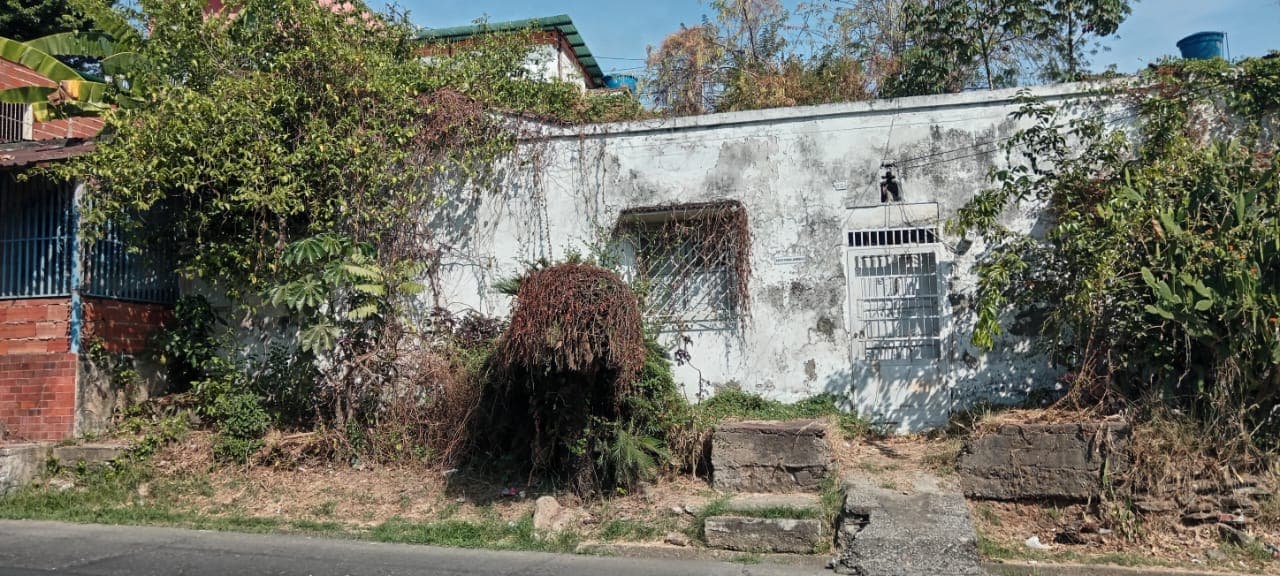
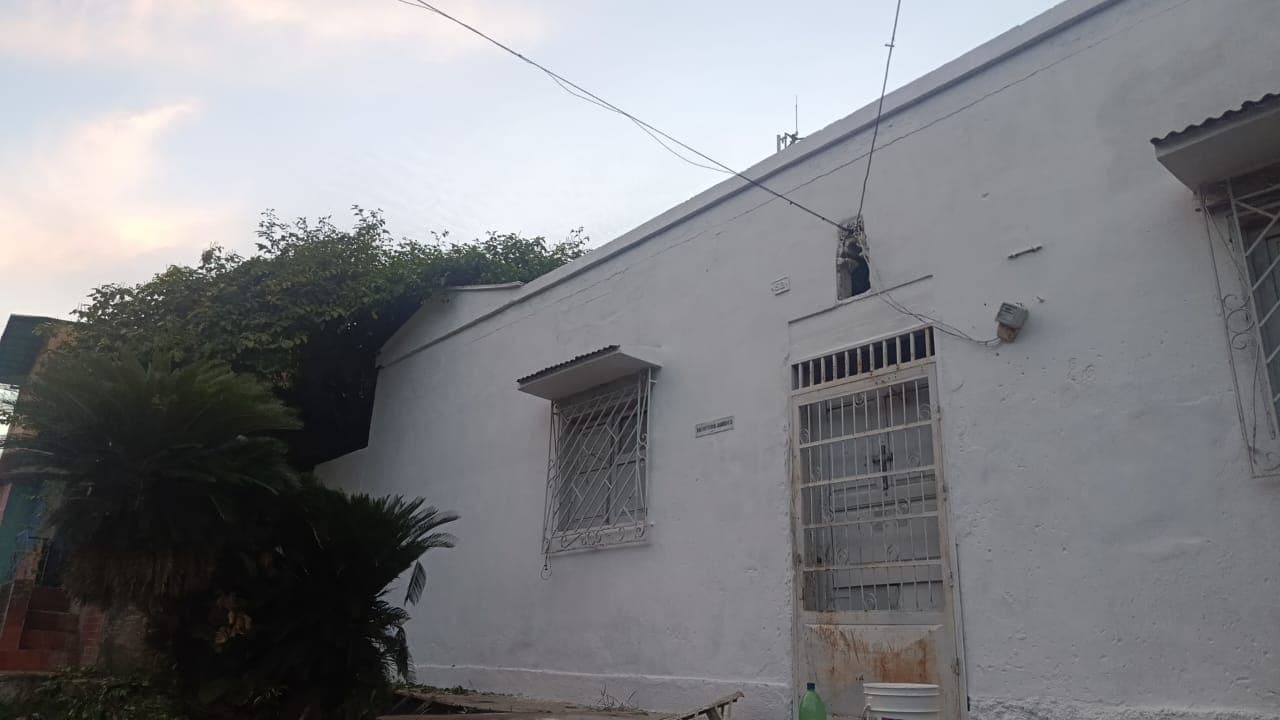
I own a home in Caracas. It's structurally sound but needs repair work to safely house a family again. What we're able to do with it depends directly on what's raised — nothing is spent ahead of what's confirmed.
Direct relief, no delay
Funds go straight to an established organization already active on the ground in the affected area, so help doesn't wait on renovation timelines. [Organization name to be added] will receive and report on this portion.
A temporary shelter, up to 3 months
This funds the repair work needed to make my property safe and livable, and sets it up as temporary housing for a displaced family for up to three months while they stabilize.
A longer-term home, and a plan to grow it
Housing extends beyond three months, the family receives a monthly allowance, and — drawing on the same rehabilitation approach I used with the church shelter — they help restore additional space in the property, so it can eventually house more than one family.
Where every dollar goes.
- ✓Structural repair — roof, walls, plumbing, electrical — to make the property safe for habitation
- ✓Basic furnishing: beds, mattresses, kitchen essentials for the family staying there
- ✓Monthly allowance for food and essentials, only once the $5,000 threshold is reached
- ✓Materials and labor to restore further space for additional families, only once the $5,000 threshold is reached
- ✓Regular photo and receipt updates posted here, showing exactly how funds were used
Every contribution moves this forward.
This fund is run by me personally, not through a registered charity — so contributions aren't tax-deductible. I'll post itemized updates with photos and receipts for every dollar raised.